
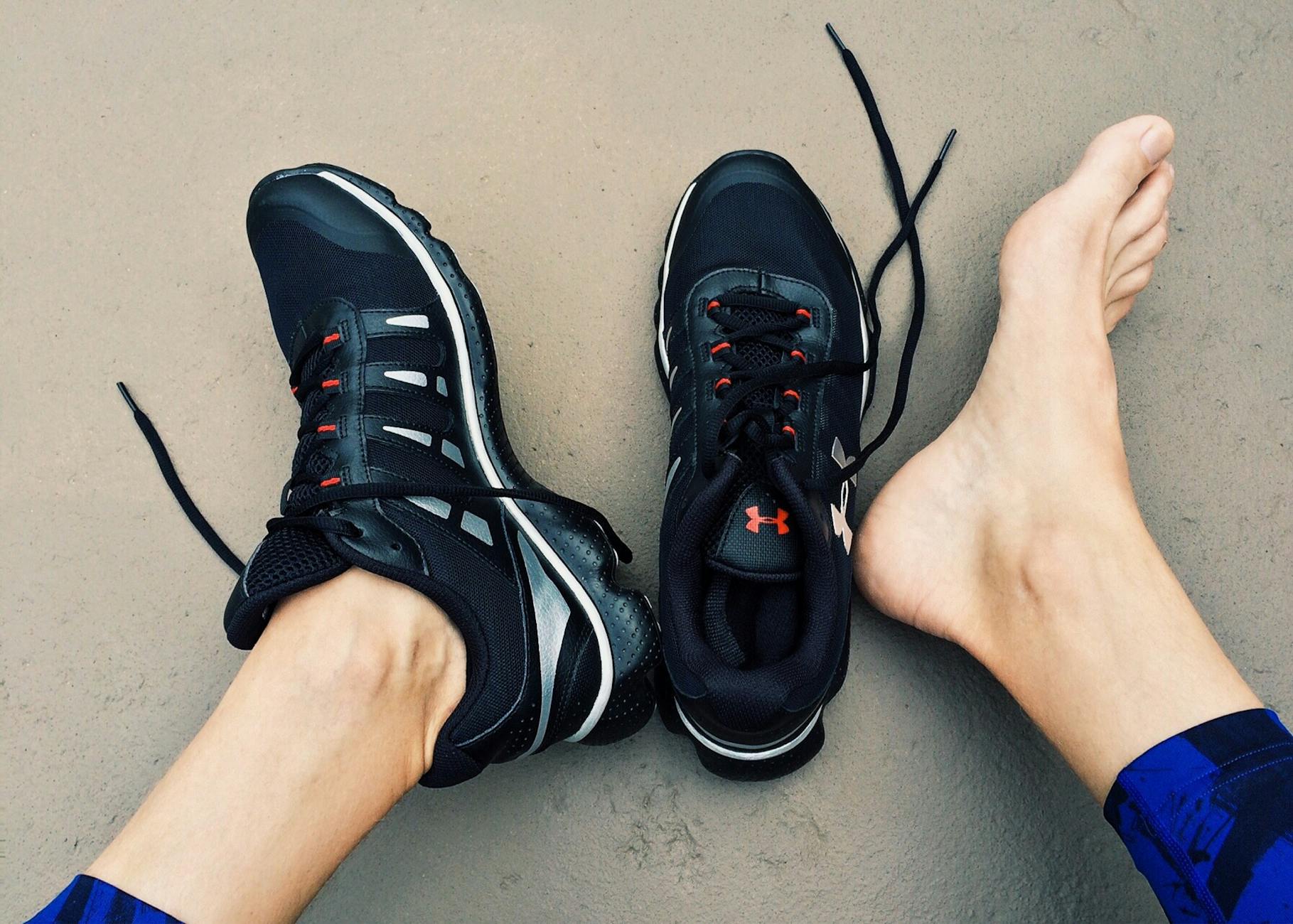
Foot pain can be a debilitating issue, affecting your daily life and limiting your activities. Whether it’s sharp pain on top of the foot or discomfort in the arch, understanding the causes and symptoms is crucial for effective relief. This comprehensive guide will explore the common types of foot pain, their causes, symptoms, and evidence-based treatments.
Types of Foot Pain
- Top of the Foot Pain
- Pain on top of the foot is frequently experienced, especially during activities like walking or running.
- Common Causes: Stress fractures, tendinitis, and traumatic injuries are the primary culprits.
- Research Insight: A study published in the Journal of Orthopaedic & Sports Physical Therapy highlighted that runners often experience top foot pain due to repetitive stress, emphasizing the importance of proper footwear and gradual increase in activity intensity (1).
- Consultation: If you experience top foot pain when walking, it may be time to consult a specialist for a thorough assessment.
- Ball of the Foot Pain
- Often referred to as forefoot pain, this type of pain can stem from conditions such as metatarsalgia or neuromas.
- Symptoms: Pain on the ball of the foot or pain in the ball of the foot, especially after prolonged standing or high-impact activities, is common.
- Research Insight: According to the American Orthopaedic Foot & Ankle Society, improper footwear and high-impact activities are significant contributors to metatarsalgia, suggesting the use of cushioned insoles and supportive footwear as effective preventative measures (2).
- Arch Pain
- Pain in the arch of the foot is a common issue that many individuals face.
- Causes: Conditions such as plantar fasciitis, flat feet, or overuse injuries are often to blame.
- Symptoms: Sore feet in the morning are often an indicator of arch pain, leading to pain in the arch of the foot when walking.
- Research Insight: The British Journal of Sports Medicine reported that stretching exercises and the use of orthotic inserts significantly alleviate the symptoms of plantar fasciitis (3).
Relief and Treatment
Finding effective relief for foot pain starts with identifying the cause. Here are some evidence-based methods to relieve foot pain:
- Rest and Ice:
- Method: Giving your feet time to recover is essential. Applying ice can reduce swelling.
- Evidence: A study in the Clinical Journal of Sport Medicine found that icing significantly reduces inflammation and pain in acute injuries (4).
- Proper Footwear:
- Method: Invest in comfortable shoes with adequate support to alleviate pressure and discomfort.
- Evidence: Research published in Gait & Posture indicates that well-fitted footwear reduces foot pain and improves mobility in individuals with chronic foot conditions (5).
- Physiotherapy:
- Method: Exercises targeting the foot and ankle can be beneficial, especially for those with arch or ball of foot pain.
- Evidence: The Journal of Rehabilitation Research and Development highlighted that structured physical therapy programs improve function and reduce pain in patients with foot disorders (6).
The eBook “Find the Foot” is an invaluable resource for anyone suffering from foot pain. It offers comprehensive insights into the various types of foot pain, their underlying causes, and effective treatment methods. With clear explanations and evidence-based recommendations, this guide empowers readers to understand their foot pain better and take proactive steps towards relief. Whether you are dealing with arch pain, top of the foot pain, or issues with the ball of your foot, “Find the Foot” provides practical advice on everything from proper footwear and physiotherapy to the use of toe spacers. By following the strategies outlined in this eBook, individuals can significantly improve their foot health and overall quality of life.
- Orthotics:
- Method: Custom inserts can provide necessary arch support whether you’re suffering from arch pain or pain in the top of the foot.
- Evidence: The Journal of the American Podiatric Medical Association reported that orthotic devices are effective in managing plantar fasciitis and other foot-related conditions (7).
- Medication:
- Method: Over-the-counter anti-inflammatories can help manage the pain temporarily.
- Evidence: Studies in Pharmacotherapy suggest that NSAIDs are effective for short-term relief of acute foot pain (8).
- Toe Spacers:
- Method: These devices can help align the toes and relieve pressure points.
- Evidence: Previous discussions highlighted that toe spacers can be beneficial for conditions like bunions and hammertoes, as they promote proper toe alignment and reduce discomfort (9).
Being proactive about foot pain can significantly improve your quality of life. Whether you experience pain in the top of the foot, sore feet, or discomfort in the arch, identifying the cause is the first step toward effective treatment. Remember, neglecting foot pain can lead to chronic problems, so take action today to restore your feet to health. Understanding how to relieve foot pain is essential for your well-being. Don’t let foot discomfort limit your activities—seek solutions and reclaim your mobility!
References
- Journal of Orthopaedic & Sports Physical Therapy, “Foot Pain in Runners: Stress Fractures and Tendinitis,” 2019.
- American Orthopaedic Foot & Ankle Society, “Metatarsalgia: Causes and Treatments,” 2020.
- British Journal of Sports Medicine, “Efficacy of Stretching Exercises for Plantar Fasciitis,” 2018.
- Clinical Journal of Sport Medicine, “Effectiveness of Icing on Acute Injuries,” 2021.
- Gait & Posture, “Impact of Footwear on Chronic Foot Pain,” 2017.
- Journal of Rehabilitation Research and Development, “Physical Therapy for Foot Disorders,” 2018.
- Journal of the American Podiatric Medical Association, “Orthotic Devices in Managing Foot Pain,” 2019.
- Pharmacotherapy, “NSAIDs for Acute Foot Pain Relief,” 2020.
Comments are closed