|
Physiorun
The Classroom
Your Weekly Running Strength Class
|
|
This Week’s Class
Capacity Testing
7 tests. 2 minutes each. Log your numbers — and watch them change.
|
|
This week we are doing something a little different. Instead of a strength circuit, we are running a capacity test — a simple but powerful way to measure what your body can actually do right now.
Each test lasts 2 minutes. Your job is simple: count your reps (or note your hold time) and write the number down. That number is your baseline. The next time you do this session, you will know whether you are improving, holding steady, or need to put in more work somewhere.
Progress in running is not just about the miles. It is about what your body can do — and capacity testing gives you honest feedback. No guessing. Just numbers.
|
|
Log Your Numbers
Grab a notebook or use your phone notes. For each test, record:
• Your reps or hold time (left and right sides separately where relevant)
• How it felt — easy, moderate, hard, burning?
• Any side difference — if left and right feel very different, that is useful information
When you revisit this test — ask yourself: do the same numbers feel easier? Can I do more? That is progress.
|
|
|
The 7 Tests — 2 Minutes Each
| 1 |
Heel Lift Calf Raises
2 minutes — count your reps
Standing on one or both feet, lift your heels as high as you can and lower slowly. This tests calf and Achilles capacity — a key area for runners. Log reps left and right separately if single-leg. Does the heel reach the same height at the end as it did at the start?
|
| 2 |
Side Plank Star
2 minutes — note your hold time & side difference
Hold a side plank with the top leg raised — testing hip abductor strength, lateral trunk control and single-leg stability. These are all critical for runners. Notice if one side drops or shakes earlier than the other. That asymmetry is worth working on.
|
| 3 |
Sit to Stand
2 minutes — count your reps
From a chair or bench, stand up and sit back down repeatedly. This tests quad strength, hip control and functional lower limb power. Notice if you are pushing off your hands to help — work towards clean, arm-free reps. Count only the clean ones.
|
| 4 |
Hop Test
2 minutes — count reps left & right
Single-leg hops on the spot, landing controlled and soft. This tests reactive leg strength, ankle stiffness and confidence loading through one leg — all essential for running. Any pain, wobble or avoidance on landing is worth noting. Compare left to right.
|
| 5 |
Split Lunge Hold
2 minutes — note hold time & side difference
Hold the bottom of a lunge position — front knee bent, back knee low. This loads the quads, hip flexors and glutes under sustained tension. It mimics the demands of hill running and mid-stride loading. Note which side feels weaker or less stable.
|
| 6 |
Plank Hold
2 minutes — note your hold time
Forearm or straight-arm plank — hold as long as you can with good form. This tests trunk endurance, the foundation of efficient running. A strong trunk helps you maintain form when the legs get tired. If your hips are dropping early, that is the first thing to work on.
|
| 7 |
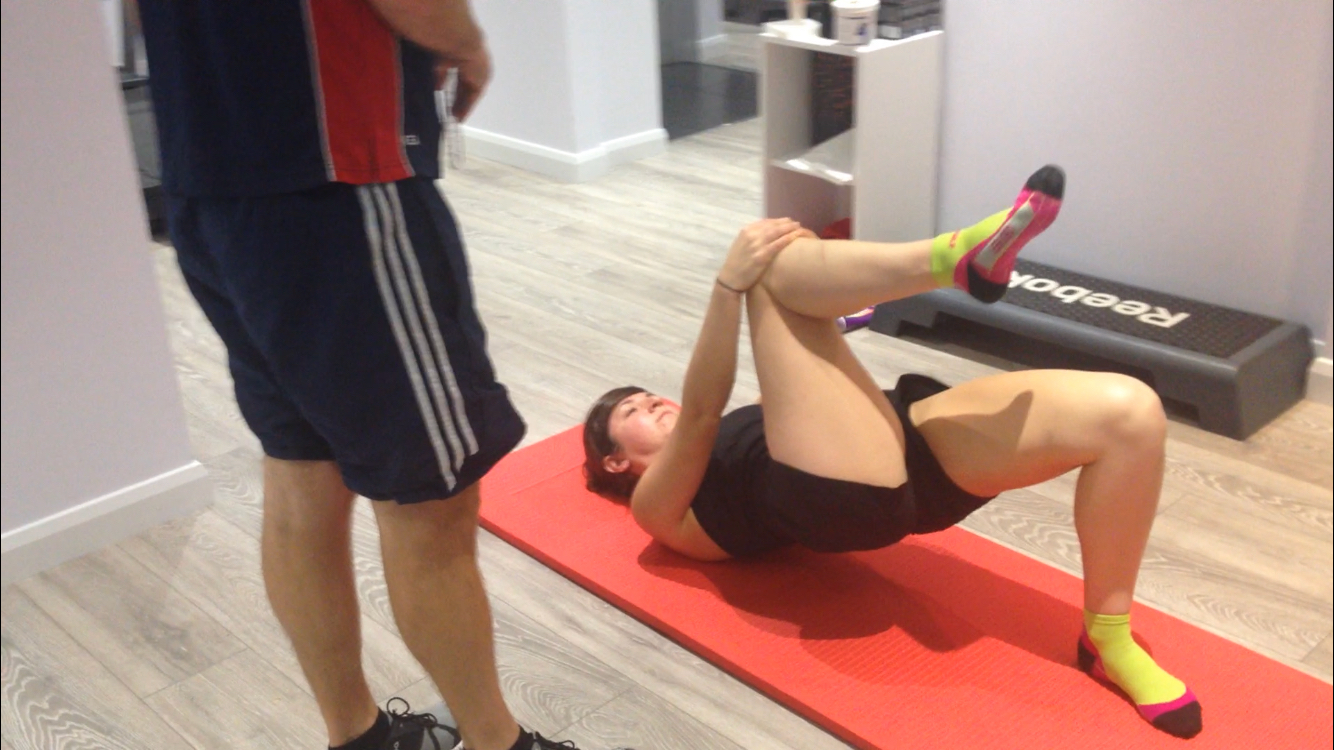
Hamstring Bridge
2 minutes — count your reps
Lying on your back with feet flat, drive your hips up and lower with control. This tests hamstring and glute capacity and how well you can sustain posterior chain work. Runners often neglect this area until something goes wrong. Are both sides loading evenly?
|
|
|
Watch this week’s class
Watch the Capacity Test Class
Can’t click? Copy this link: https://youtu.be/HDfjVZRpyLY
|
|
Weekly Blog
Why Testing Your Capacity Is One of the Most Honest Things a Runner Can Do
Most runners measure progress through pace, distance or time on feet. Those are useful numbers. But they do not always tell you what is actually happening inside the body — how strong the legs are, how long the trunk can hold, how well the calf and Achilles can absorb load.
That is where capacity testing comes in.
A capacity test is not a workout. It is a measuring stick. It gives you objective data about what your body can do right now — not what you think it can do, not what it did six months ago. Right now, today. And when you repeat the same tests weeks later, the numbers do not lie. More reps, longer holds, less effort — those are real improvements. Fewer reps, earlier fatigue, a bigger difference between left and right — those are useful signals too.
The tests in this session are not random. Calf raises reflect Achilles and calf load tolerance — one of the most common sites of injury in runners. The hop test shows confidence and reactive strength through a single leg. The plank reveals trunk endurance, which keeps your form together in the final miles. The hamstring bridge assesses posterior chain capacity, which supports your stride. And the side plank star checks for the hip strength that stops the pelvis dropping with every step.
Together, they give you a snapshot of your physical readiness as a runner. Not just fitness — but capacity. The ability to absorb load, generate force, and stay in control when things get hard.
So log your numbers today. Revisit in four to six weeks. And notice — not just whether the numbers are higher, but whether the same effort feels easier. That is the real marker of progress.
|
|
Top Tip of the Week
Track Effort, Not Just Numbers
When you log your capacity test results, do not only write down how many reps you did or how long you held. Write down how hard it felt — on a simple scale of easy, moderate or hard.
Here is why: the same number of reps feeling easier is progress, even if the number does not go up. If you did 40 sit-to-stands and it felt like a 9 out of 10 effort, then next time you do 40 and it feels like a 6 — that is your body adapting. That is strength being built.
The tip: next to every result, write one word — easy, moderate or hard. Over time, you will see the same test scores feeling lighter. That is the sign your capacity is growing.
|
What To Do With Your Results
Once you have your numbers, use them:
| – Big side difference? Focus more time on your weaker side in your strength sessions. |
| – Calf raises feel hard early? Calf and Achilles capacity may need more attention in training. |
| – Plank drops quickly? Prioritise trunk work — it will improve your running economy. |
| – Hop test feels wobbly? Add more single-leg work and reactive drills to your routine. |
| – Everything feels solid? Great — keep doing what you are doing, and retest in 6 weeks. |
The goal is not a perfect score. It is honest information about where you are — so you can make smarter decisions about your training.
|
|
Log your numbers. Be honest with yourself. And come back to this in a few weeks to see how far you have come.
James
Physiorun
|
|
You are receiving this because you subscribed to The Classroom by Physiorun.
© 2026 Physiorun. All rights reserved.
|
|
No responses yet